Why Dogs Suddenly Shake And Act Weird All Of A Sudden?
By Tommy VetPublished 6 min read
When a dog suddenly starts shaking, trembling, pacing, hiding, whining, or behaving in ways that feel “off,” it immediately sets off alarm bells for most owners. This reaction is justified. Sudden behavioral and physical changes in dogs are rarely random. Dogs cannot explain what they feel, so their bodies and behavior do the talking.
Shaking combined with strange behavior can point to anything from mild stress to a serious medical emergency. Sometimes the cause is obvious, like fear during a thunderstorm. Other times, the reason is hidden inside the body, quietly progressing until the signs become impossible to ignore.
This article explains why dogs suddenly shake and act weird, what it means, how serious it may be, and exactly what to do next. The goal is not to panic you, but to give you clarity, structure, and confidence so you can respond correctly.
What Does “Shake and Act Weird” Mean in Dogs?
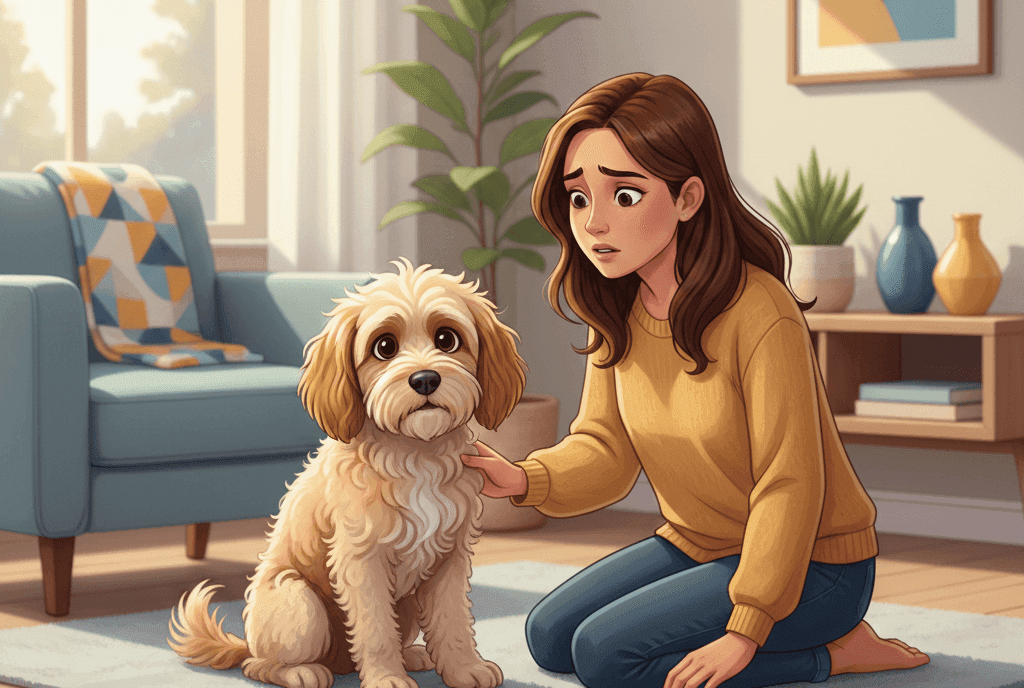
Before identifying causes, it’s important to define what this phrase usually includes.
Common Types of Shaking
- Full-body trembling
- Shivering as if cold
- Muscle twitching
- Leg shaking or weakness
- Head tremors
Common “Weird” Behaviors
- Sudden fear or hiding
- Pacing or restlessness
- Lethargy or unusual quietness
- Whining, crying, or vocalizing
- Staring into space
- Loss of coordination
- Changes in appetite
- Aggression or confusion
These signs often appear together because the nervous system, muscles, and behavior are closely connected. When something disrupts one system, others usually follow.
Why Understanding the Cause Is Important
Early Detection Saves Lives
Many serious conditions start with subtle signs. Shaking may appear hours or days before collapse, seizures, or organ failure. Recognizing it early can prevent complications.
Dogs Mask Pain Extremely Well
Dogs instinctively hide pain. When shaking and behavioral changes appear, it often means the discomfort has crossed a threshold and can no longer be concealed.
The Same Symptom Can Have Very Different Meanings
Shaking due to excitement is harmless. Shaking due to toxin exposure is an emergency. Understanding context helps you act appropriately.
Step-by-Step: What to Do When Your Dog Is Shaking and Acting Strange
Step 1: Stay Calm and Observe
Your dog reads your emotions. Panic can worsen fear-based shaking. Observe quietly for 5 to 10 minutes.
Step 2: Check the Environment
- Any loud noises?
- Fireworks or storms?
- New people, pets, or smells?
- Exposure to chemicals, food scraps, or medications?
Step 3: Assess Physical Signs
Check for:
- Vomiting or diarrhea
- Drooling or foaming
- Limping or pain when touched
- Pale gums
- Rapid breathing
Step 4: Measure Duration and Progression
- Is shaking improving or worsening?
- Is behavior returning to normal?
- Are new symptoms appearing?
Step 5: Decide on Action
- Mild, brief shaking with clear cause: monitor closely
- Persistent shaking, confusion, pain, or weakness: veterinary care is necessary
Key Causes of Sudden Shaking and Strange Behavior in Dogs
Anxiety, Fear, or Stress
What It Looks Like
- Trembling
- Tail tucked
- Hiding
- Pacing
- Panting
Common Triggers
- Thunderstorms
- Fireworks
- Loud construction
- Separation anxiety
- Traumatic experiences
Fear-based shaking usually stops once the trigger disappears, but repeated episodes can escalate into chronic anxiety.
Pain or Injury
How Pain Causes Shaking
Pain activates stress hormones that cause muscle tension and tremors. Dogs may also act withdrawn or aggressive.
Possible Sources
- Arthritis flare-ups
- Internal injuries
- Dental pain
- Abdominal pain
- Back or neck problems
If your dog flinches when touched or avoids movement, pain should be assumed until proven otherwise.
Gastrointestinal Distress
Common Signs
- Shaking
- Hunched posture
- Lip licking
- Vomiting
- Diarrhea
- Refusal to eat
Stomach pain and nausea can cause full-body trembling. Mild cases may resolve, but persistent signs require attention.
Poisoning or Toxin Exposure
Why This Is an Emergency
Toxins often affect the nervous system first, leading to shaking and abnormal behavior.
Common Toxins
- Human medications
- Insecticides
- Rodenticides
- Chocolate
- Grapes or raisins
- Xylitol
- Toxic plants
Symptoms often worsen rapidly. Immediate veterinary care is critical.
Neurological Disorders
Possible Conditions
- Seizures
- Vestibular disease
- Brain inflammation
- Head trauma
Warning Signs
- Head tilt
- Loss of balance
- Uncontrolled movements
- Disorientation
- Sudden personality changes
Neurological causes are serious and should never be ignored.
Hypoglycemia (Low Blood Sugar)
Dogs at Higher Risk
- Puppies
- Toy breeds
- Dogs with diabetes
- Dogs who missed meals
Symptoms
- Shaking
- Weakness
- Confusion
- Collapse
This condition can progress quickly and requires prompt treatment.
Fever or Infection
Why Fever Causes Shaking
Shivering is the body’s attempt to raise temperature. Infections often cause lethargy and behavioral changes.
Possible Infections
- Viral illnesses
- Bacterial infections
- Tick-borne diseases
- Urinary tract infections
Persistent fever always needs veterinary evaluation.
Metabolic or Organ Disorders
Common Examples
- Kidney disease
- Liver disease
- Electrolyte imbalances
These conditions often cause vague early symptoms like shaking, confusion, and appetite loss.
Age-Related Cognitive Dysfunction
Common in Senior Dogs
- Disorientation
- Anxiety
- Trembling
- Changes in sleep patterns
This condition resembles dementia and often worsens at night.
Causes Often Missed by Other Articles
Internal Bleeding
Can occur after trauma or from clotting disorders. Early signs include weakness and trembling.
Severe Dehydration
Electrolyte imbalance can trigger muscle tremors and mental dullness.
Autoimmune Conditions
Some immune-mediated diseases affect muscles and nerves, causing shaking episodes.
Common Mistakes Dog Owners Make
Assuming It’s “Just Anxiety”
Repeated or severe shaking deserves investigation.
Waiting Too Long
Delaying care can turn a treatable issue into a life-threatening one.
Giving Human Medications
Many are toxic to dogs and worsen symptoms.
Ignoring Subtle Behavior Changes
Behavior often changes before physical collapse.
Real-Life Examples
Example 1: Anxiety Masking Pain
A dog trembling during storms was later diagnosed with spinal pain. Fear worsened the pain response.
Example 2: Mild Shaking That Became an Emergency
A dog acting “off” after eating leftovers was later found to have toxin ingestion.
Example 3: Hypoglycemia in a Small Breed
Sudden shaking resolved quickly after glucose treatment.
Comparison Table: Causes vs Urgency
| Cause | Shaking Severity | Behavior Changes | Urgency |
|---|---|---|---|
| Anxiety | Mild to moderate | Fear, pacing | Low to moderate |
| Pain | Moderate | Withdrawal, aggression | Moderate |
| Poisoning | Severe | Confusion, drooling | Emergency |
| Neurological | Severe | Loss of balance | Emergency |
| Hypoglycemia | Moderate to severe | Weakness | Emergency |
| Infection | Mild to moderate | Lethargy | Moderate |
Helpful Tools and Resources (Non-Promotional)
- Symptom tracking journal
- Rectal thermometer (dog-safe)
- Emergency vet contact list
- Pet poison hotline number (kept offline)
Frequently Asked Questions (People Also Ask)
Why is my dog shaking but not cold?
Shaking is often linked to pain, anxiety, nausea, fever, or neurological issues rather than temperature.
Can stress alone cause shaking?
Yes, but stress-related shaking should stop once the trigger is gone. Persistent shaking suggests another cause.
Should I wait and see if it stops?
Only if the episode is brief, mild, and clearly linked to fear. Otherwise, observation should be short.
Is shaking a sign of seizures?
Sometimes. Seizures often include loss of awareness or uncontrolled movements.
When should I go to the vet immediately?
If shaking is severe, worsening, paired with confusion, vomiting, collapse, or toxin exposure.
This will be informative for you: Why Is My Dog Throwing Up Yellow Vomit?
Conclusion
Sudden shaking and strange behavior in dogs is never meaningless. It is a signal, not a flaw, and not something dogs do for no reason. While some causes are mild and temporary, others are urgent and life-threatening.
The most important takeaway is this: context, severity, and duration matter more than guessing the cause. Observing carefully and acting promptly can make the difference between reassurance and regret.
Dogs depend entirely on humans to notice when something is wrong. When your dog’s body and behavior change suddenly, it is asking for attention in the only language it has.