Why Is My Dog Throwing Up Yellow Vomit?
By Tommy VetPublished 6 min read
Seeing your dog throw up yellow liquid can be alarming. One moment they seem fine, and the next they are retching and producing a bright yellow or foamy fluid. As a responsible pet owner, it is natural to worry and wonder what went wrong. Is it serious? Is your dog in pain? Should you rush to the vet or wait it out?
Yellow vomit in dogs is common, but it should never be ignored. In many cases, it is caused by bile, a digestive fluid produced by the liver. While it can sometimes be harmless, it may also indicate underlying health issues that require medical attention.
In this comprehensive guide, you will learn exactly why dogs vomit yellow fluid, what it means, when to worry, and what to do next. This article is written to help beginners understand the problem clearly, using simple language and practical advice based on veterinary insights.
What Does Yellow Vomit Mean in Dogs?
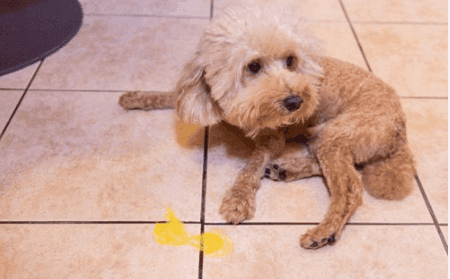
Yellow vomit usually means your dog is throwing up bile. Bile is a digestive liquid produced by the liver and stored in the gallbladder. It helps break down fats during digestion.
When your dog vomits bile, it typically looks:
- Bright yellow or greenish-yellow
- Watery or foamy
- Bitter-smelling
This happens when the stomach is empty and bile flows backward from the small intestine into the stomach. The irritation caused by bile often triggers vomiting.
Why This Matters: Importance of Understanding Yellow Vomit
Understanding why your dog is vomiting yellow fluid is important for several reasons:
- Early detection of illness
Some causes are minor, but others can signal serious health problems. - Preventing dehydration
Repeated vomiting can lead to fluid loss and electrolyte imbalance. - Protecting your dog’s digestive health
Chronic vomiting can damage the stomach lining and cause long-term issues. - Knowing when to seek veterinary help
Recognizing red flags can save your dog’s life.
Ignoring frequent vomiting may allow a treatable condition to worsen.
Step-by-Step Guide: What to Do When Your Dog Vomits Yellow
Step 1: Observe Your Dog Carefully
Check for:
- Frequency of vomiting
- Behavior changes
- Appetite loss
- Diarrhea
- Lethargy
Step 2: Look at the Vomit
Note:
- Color
- Foam or mucus
- Blood
- Food particles
Step 3: Check Feeding Schedule
Ask yourself:
- Did your dog skip a meal?
- Is there a long gap between meals?
Step 4: Withhold Food Briefly
For adult dogs:
- Remove food for 8-12 hours
- Offer small sips of water
Step 5: Reintroduce Bland Food
After vomiting stops:
- Boiled chicken (no seasoning)
- Plain white rice
- Small portions
Step 6: Contact Your Vet If Symptoms Continue
Seek professional help if:
- Vomiting lasts more than 24 hours
- Blood appears
- Your dog seems weak or in pain
Main Causes of Yellow Vomit in Dogs
1. Bilious Vomiting Syndrome (Empty Stomach)
This is the most common cause.
Why it happens:
- Long gaps between meals
- Bile builds up in an empty stomach
Typical signs:
- Vomiting early in the morning
- Dog acts normal afterward
Solution:
- Feed smaller meals more often
- Give a bedtime snack
2. Gastrointestinal Upset
Dogs love to eat things they should not.
Common triggers:
- Trash
- Grass
- Table scraps
- Spoiled food
Symptoms:
- Yellow vomit
- Mild diarrhea
- Reduced appetite
3. Food Intolerance or Allergy
Some dogs cannot tolerate certain ingredients.
Common culprits:
- Chicken
- Beef
- Dairy
- Wheat
Signs:
- Repeated vomiting
- Itchy skin
- Ear infections
4. Gastritis (Stomach Inflammation)
Gastritis occurs when the stomach lining becomes inflamed.
Causes:
- Stress
- Sudden diet change
- Medications (NSAIDs)
- Ingesting toxins
Symptoms:
- Yellow or white foam vomit
- Loss of appetite
- Drooling
5. Pancreatitis
This is a serious condition.
Risk factors:
- Fatty foods
- Obesity
Signs:
- Yellow vomiting
- Severe abdominal pain
- Hunched posture
- Lethargy
This requires immediate veterinary care.
6. Intestinal Blockage
Dogs may swallow:
- Toys
- Bones
- Socks
Symptoms:
- Repeated vomiting
- No bowel movements
- Bloated abdomen
This is an emergency.
7. Liver or Gallbladder Disease
Since bile comes from the liver, liver issues can cause yellow vomiting.
Warning signs:
- Yellow gums or eyes
- Weight loss
- Weakness
8. Parasites
Worms irritate the digestive tract.
Clues:
- Vomiting
- Diarrhea
- Visible worms in stool
- Pot-bellied appearance (puppies)
9. Acid Reflux
Just like humans, dogs can experience acid reflux.
Signs:
- Lip licking
- Gagging
- Yellow foam vomit
10. Stress and Anxiety
Dogs may vomit due to:
- Travel
- Loud noises
- Separation anxiety
Stress increases stomach acid production.
Causes by Vomit Timing
Morning Vomiting
- Empty stomach
- Bilious vomiting syndrome
After Eating
- Food intolerance
- Eating too fast
- Swallowed air
At Night
- Acid reflux
- Late heavy meals
When Yellow Vomit Is an Emergency
Seek immediate vet help if you notice:
- Blood in vomit
- Vomiting more than 24 hours
- Severe weakness
- Fever
- Abdominal swelling
- Refusal to drink water
- Black stools
Common Mistakes Dog Owners Make
1. Ignoring Repeated Vomiting
Assuming it will stop on its own can delay treatment.
2. Giving Human Medication
Drugs like ibuprofen are toxic to dogs.
3. Feeding Right After Vomiting
This irritates the stomach further.
4. Switching Food Suddenly
Sudden changes cause digestive upset.
5. Skipping Vet Visits
Online advice cannot replace a professional diagnosis.
Real-Life Examples
Example 1: Morning Yellow Vomit
A 5-year-old Labrador vomits yellow foam every morning but acts normal afterward. The owner starts feeding a small bedtime snack. Vomiting stops.
Diagnosis: Bilious vomiting syndrome
Example 2: Vomiting After Eating Fatty Food
A dog eats greasy leftovers and vomits yellow fluid repeatedly.
Diagnosis: Mild pancreatitis
Treatment: Vet care, low-fat diet
Example 3: Continuous Vomiting
A puppy swallows a sock and vomits yellow liquid all day.
Diagnosis: Intestinal blockage
Treatment: Surgery required
Comparison Table: Harmless vs Serious Causes
| Feature | Mild Cause | Serious Cause |
|---|---|---|
| Frequency | Occasional | Repeated |
| Dog behavior | Normal | Weak, lethargic |
| Appetite | Normal | Refuses food |
| Vomit color | Yellow foam | Yellow with blood |
| Pain signs | None | Crying, hunched |
| Action needed | Monitor | Immediate vet |
Tools and Resources
At-Home Monitoring Checklist
Use this daily:
- Appetite level
- Energy
- Stool appearance
- Vomiting frequency
Feeding Tools
- Slow feeder bowls
- Automatic feeders for small frequent meals
Veterinary Tests
Your vet may perform:
- Blood tests
- Ultrasound
- X-rays
- Stool exams
Frequently Asked Questions (People Also Ask)
Why is my dog throwing up yellow foam but acting normal?
This usually indicates bile buildup in an empty stomach. Feeding smaller, more frequent meals often solves the problem.
Should I feed my dog after yellow vomiting?
Wait 8-12 hours, then start with bland food in small portions.
Can stress cause yellow vomit in dogs?
Yes. Anxiety increases stomach acid and can trigger bile vomiting.
Is yellow vomit worse than clear vomit?
Yellow vomit contains bile, which suggests stomach irritation. Clear vomit may be saliva or water. Both require observation.
How long should I wait before seeing a vet?
- Single episode: monitor
- Repeated vomiting or weakness: see vet immediately
Can worms cause yellow vomiting?
Yes. Parasites irritate the stomach and intestines.
Why does my dog vomit yellow in the morning?
This is commonly due to an empty stomach overnight.
Can diet change fix this?
Yes. Feeding schedule and food quality play a major role.
You may love this one: 11 American Dog Food Brands You Should Never Feed Your Dog
Final Expert Tips
- Feed adult dogs twice daily or more
- Avoid fatty foods
- Keep toxic substances away
- Deworm regularly
- Keep your dog hydrated
Conclusion
Yellow vomit in dogs is usually caused by bile, often due to an empty stomach or mild digestive upset. In many cases, simple changes such as feeding smaller, more frequent meals can resolve the issue. However, persistent vomiting, behavioral changes, or additional symptoms may indicate serious conditions like pancreatitis, intestinal blockage, or liver disease.
Your dog cannot tell you what hurts, so your role is to observe, act wisely, and seek professional help when needed. Early intervention can prevent complications and keep your dog healthy and comfortable.
Understanding the cause behind yellow vomit empowers you to make the right decisions. With proper care, monitoring, and veterinary support, most dogs recover quickly and return to their happy, playful selves.