Why Is My Dog’s Nose Running? Causes, Signs, and What You Should Do
By Tommy VetPublished 5 min read
A runny nose in dogs can look harmless at first. Maybe you notice a few drops of clear fluid on your dog’s nostrils or some wet marks on their bed. Many owners wonder if it’s normal or a sign of something serious. The truth is, a running nose can be completely harmless or it can point to a medical issue that needs attention.
This detailed guide explains why your dog’s nose running, what’s normal, what’s not, and when to take action. You’ll learn common causes, warning signs, home care tips, and veterinary treatment options.
What Does It Mean When a Dog’s Nose Is Running?
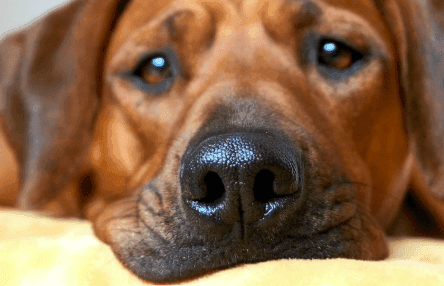
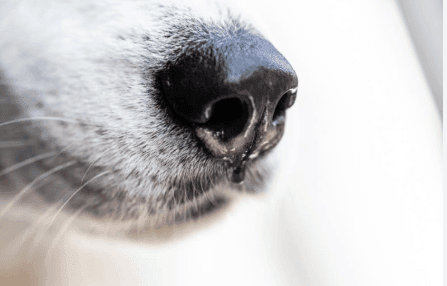
A running nose, medically called nasal discharge, happens when fluid comes out of one or both nostrils. This discharge can vary in:
- Color (clear, white, yellow, green, bloody)
- Thickness (watery or thick mucus)
- Smell (odorless or foul-smelling)
Dogs naturally have moist noses, but constant dripping or thick discharge is not normal and usually signals irritation, infection, or another underlying issue.
Why Is a Healthy Nose Important for Dogs?
A dog’s nose is not just for sniffing. It plays a major role in:
1. Temperature Regulation
Dogs release heat through panting and nasal airflow. A healthy nose helps cool them down.
2. Sense of Smell
Dogs rely on scent far more than humans. A blocked or irritated nose affects their ability to explore and recognize surroundings.
3. Early Disease Detection
Changes in nasal discharge can be one of the first signs of illness.
A consistently runny nose can interfere with breathing, comfort, and appetite, so it should never be ignored.
Step-by-Step: How to Evaluate Your Dog’s Runny Nose
Before panicking, follow these steps to assess the situation:
Step 1: Observe the Discharge
Check:
- Color
- Thickness
- Smell
- One nostril or both?
Step 2: Look for Other Symptoms
- Sneezing
- Coughing
- Lethargy
- Fever
- Loss of appetite
- Pawing at the face
Step 3: Check the Environment
- Recent dust exposure?
- Pollen season?
- New cleaning products?
- Smoke?
Step 4: Monitor Duration
- Less than 24 hours: usually mild
- More than 2-3 days: needs attention
Step 5: Decide on Action
- Mild and clear: monitor at home
- Thick, colored, bloody, or foul-smelling: contact a vet
Common Causes of a Runny Nose in Dogs
1. Allergies (Most Common Cause)
Dogs can be allergic to:
- Pollen
- Dust mites
- Mold
- Grass
- Food ingredients
- Cleaning products
Signs
- Clear watery discharge
- Sneezing
- Itchy skin
- Red eyes
What Helps
- Air purifiers
- Frequent cleaning
- Vet-prescribed antihistamines
2. Upper Respiratory Infections
Just like humans, dogs get colds.
Causes
- Viruses
- Bacteria
- Kennel cough
Symptoms
- Thick yellow or green discharge
- Cough
- Fever
- Lethargy
Treatment
- Antibiotics (if bacterial)
- Rest
- Fluids
- Steam therapy
3. Foreign Objects in the Nose
Dogs sniff everything. Seeds, grass, or dust can get stuck.
Signs
- Sudden sneezing fits
- Pawing at face
- Discharge from one nostril
Action
- Vet removal required
- Do not attempt at home
4. Dental Disease
Infected teeth roots can affect nasal passages.
Signs
- Bad breath
- Swollen face
- Thick discharge on one side
Treatment
- Dental cleaning
- Tooth extraction
- Antibiotics
5. Sinus Infection
Inflamed sinuses cause nasal discharge.
Symptoms
- Facial swelling
- Head shaking
- Thick mucus
6. Nasal Mites
Tiny parasites live in nasal passages.
Signs
- Sneezing
- Bloody discharge
- Head shaking
Treatment
- Prescription antiparasitic meds
7. Tumors or Growths
More common in older dogs.
Signs
- Bloody discharge
- Facial deformity
- Breathing difficulty
Diagnosis
- X-rays
- CT scan
- Biopsy
8. Trauma or Injury
A hit to the face can damage nasal tissues.
Signs
- Blood
- Swelling
- Pain
9. Environmental Irritants
Smoke, perfumes, cleaning sprays, and dust.
Solution
- Remove irritant
- Improve ventilation
10. Weather Changes
Cold air can temporarily increase nasal discharge.
Color Guide: What Your Dog’s Nasal Discharge Means
| Color | Possible Cause | Concern Level |
|---|---|---|
| Clear | Allergies, mild irritation | Low |
| White | Cold, mild infection | Medium |
| Yellow | Bacterial infection | High |
| Green | Severe infection | High |
| Bloody | Injury, tumor, mites | Emergency |
| Foul-smelling | Tooth infection | High |
When to Worry About a Runny Nose
Contact your vet if:
- Discharge lasts over 3 days
- Thick yellow/green mucus
- Blood present
- Loss of appetite
- Lethargy
- Difficulty breathing
- Facial swelling
Home Care Tips (Safe Options)
1. Steam Therapy
Sit with your dog in a steamy bathroom for 10 minutes.
2. Keep Hydrated
Fluids thin mucus.
3. Clean Nose Gently
Use warm damp cloth.
4. Improve Air Quality
Humidifier helps.
5. Avoid Smoke
No smoking near your dog.
Veterinary Diagnosis: What to Expect
Your vet may:
- Perform nasal exam
- Run blood tests
- Take X-rays
- Swab for infection
- CT scan (if tumor suspected)
Treatment Options
Medications
- Antibiotics
- Antihistamines
- Steroids
- Antiparasitics
Procedures
- Foreign object removal
- Dental surgery
- Tumor removal
Common Mistakes Dog Owners Make
1. Using Human Cold Medicine
Dangerous and toxic.
2. Ignoring Bloody Discharge
Always serious.
3. Delaying Vet Visit
Early treatment saves money and stress.
4. Over-cleaning
Can irritate nasal tissue.
Real-Life Examples
Example 1
A 2-year-old Labrador with clear discharge every spring. Diagnosed with seasonal allergies.
Example 2
Senior dog with bloody discharge from one nostril. Diagnosed with nasal tumor.
Example 3
Puppy sneezing violently. Grass seed found and removed.
Comparison: Normal Moist Nose vs Problematic Runny Nose
| Feature | Normal Nose | Runny Nose |
|---|---|---|
| Moisture | Light damp | Dripping |
| Color | Clear | Yellow/green |
| Duration | Always | Persistent |
| Smell | Neutral | Foul |
| Behavior | Normal | Lethargic |
Tools and Resources for Dog Owners
- Thermometer (check fever)
- Humidifier
- Saline wipes
- Health journal
Frequently Asked Questions
Why is my dog’s nose running clear fluid?
Usually allergies or mild irritation.
Can a dog have a cold?
Yes, dogs get respiratory infections.
Is a runny nose contagious?
Some infections like kennel cough are.
How long is too long?
More than 3 days needs vet advice.
Can food cause runny nose?
Yes, food allergies can.
Why only one nostril?
Often foreign object or dental issue.
Is sneezing with runny nose normal?
Yes, especially with allergies.
Should I use nasal drops?
Only vet-approved ones.
You should read this: Can I Give My Dog Benadryl? And if So, How Much?
Final Thoughts
A runny nose in dogs can range from harmless allergies to serious infections or tumors. The key is observation. Check color, duration, and your dog’s behavior. Mild clear discharge can be monitored, but thick, colored, bloody, or smelly mucus always deserves veterinary attention.
Your dog depends on you to notice these signs early. Treat the nose like a health alarm system. When in doubt, it’s always better to get professional advice than to wait and hope it disappears.
A healthy nose means a happier, more comfortable dog.