My Cat Is Sneezing a Lot in a Row. What Should I Do?
By Tommy VetPublished 6 min read
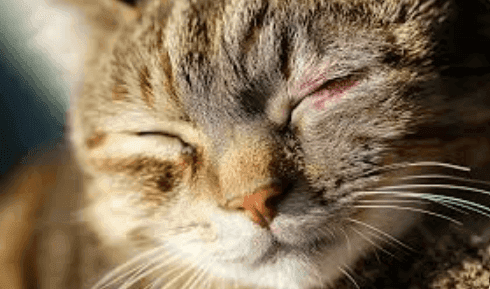
If your cat suddenly starts sneezing again and again, it can feel alarming. A single sneeze is normal, but repeated sneezing in a short time often signals irritation, infection, or something more serious. Just like humans, cats sneeze to clear their nasal passages. But when it becomes frequent or intense, it deserves attention.
This guide explains why cats sneeze, what it means when sneezing happens repeatedly, and exactly what you should do to protect your cat’s health. It is written in simple language, backed by veterinary knowledge, and designed to help you make calm, informed decisions.
What Does It Mean When a Cat Sneezes
Repeatedly?
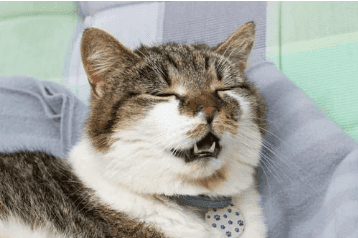
Sneezing is your cat’s natural reflex to remove irritants from the nose. Occasional sneezing is harmless. But sneezing many times in a row usually means:
-
Something is irritating the nasal passages
-
There is inflammation
-
An infection may be developing
Repeated sneezing is a symptom, not a disease. The real concern is what is causing it.
Think of it like a smoke alarm. The alarm is not the fire. It just tells you something is wrong.Why It Matters: Why You Should Not Ignore Frequent Sneezing
Ignoring persistent sneezing can lead to:
-
Worsening infections
-
Chronic respiratory problems
-
Spread of illness to other pets
-
Pain and discomfort for your cat
-
Long-term damage to nasal tissues
Early action often means faster recovery and lower vet bills. Waiting too long allows minor issues to become serious problems.
Step-by-Step: What You Should Do Right Now
Step 1: Observe Carefully
Write down or mentally note:
-
How often your cat sneezes
-
How long it lasts
-
Any nasal discharge (clear, yellow, green, bloody)
-
Other symptoms:
-
Runny eyes
-
Loss of appetite
-
Lethargy
-
Coughing
-
Fever
-
Bad breath
-
Patterns help your vet diagnose faster.
Step 2: Check Your Environment
Remove common irritants:
-
Dust
-
Smoke
-
Strong perfumes
-
Cleaning chemicals
-
Incense
-
Scented litter
Cats have sensitive noses. Even a new air freshener can trigger sneezing fits.
Step 3: Improve Air Quality
-
Use a humidifier if air is dry
-
Keep rooms well ventilated
-
Clean bedding regularly
-
Vacuum dust frequently
Dry air thickens nasal mucus and worsens irritation.
Step 4: Gently Clean Nasal Discharge
If your cat has a runny nose:
-
Use a soft warm cloth
-
Gently wipe the nostrils
-
Do NOT insert anything into the nose
This prevents crusting and improves breathing.
Step 5: Encourage Hydration
Water helps thin mucus. Provide:
-
Fresh water
-
Wet food
-
Cat-safe broths
Dehydration worsens respiratory symptoms.
Step 6: Decide If You Need a Vet Visit
Go to the vet if sneezing:
-
Lasts more than 2-3 days
-
Comes with thick discharge
-
Includes blood
-
Causes appetite loss
-
Happens in kittens or senior cats
-
Is paired with fever or weakness
Early veterinary care prevents complications.
Main Causes of Repeated Sneezing in Cats
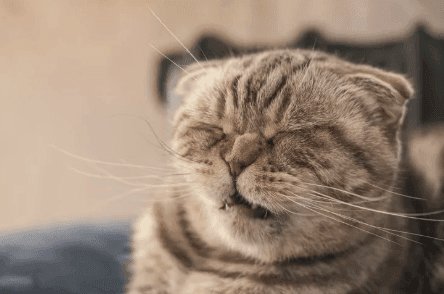
Below are the most common reasons, based on veterinary research and clinical cases.
1. Upper Respiratory Infections (Most Common Cause)
Often called cat flu, these infections are caused by:
-
Feline herpesvirus
-
Feline calicivirus
-
Bacterial infections
Symptoms
-
Frequent sneezing
-
Runny nose
-
Watery or crusty eyes
-
Mouth ulcers
-
Fever
-
Loss of appetite
Why It Happens
Cats catch these viruses in:
-
Shelters
-
Multi-cat homes
-
Boarding facilities
Stress weakens immunity, making infection more likely.
2. Allergies
Cats can be allergic to:
-
Dust
-
Mold
-
Pollen
-
Cigarette smoke
-
Cleaning products
Signs
-
Sneezing
-
Itchy skin
-
Watery eyes
-
No fever
Allergies often cause clear nasal discharge.
3. Foreign Objects in the Nose
Small particles can get stuck:
-
Grass seeds
-
Dust clumps
-
Litter particles
This causes:
-
Sudden sneezing fits
-
Pawing at the nose
-
One-sided discharge
If sneezing starts suddenly and violently, this is a strong possibility.
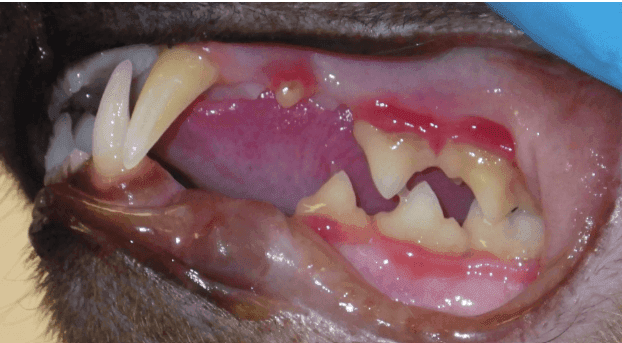
4. Dental Disease
Surprisingly, tooth infections can spread to sinuses.
Signs include:
-
Bad breath
-
Drooling
-
Facial swelling
-
One-sided sneezing
The roots of upper teeth sit close to nasal cavities.
5. Nasal Polyps or Tumors
Less common but serious.
Signs:
-
Chronic sneezing
-
Bloody discharge
-
Loud breathing
-
Facial deformity
Older cats are more at risk.
6. Fungal Infections
Certain fungi infect the nasal passages.
More common in:
-
Outdoor cats
-
Warm climates
Symptoms:
-
Persistent sneezing
-
Thick discharge
-
Nose swelling
7. Chemical Irritation
New products can trigger reactions:
-
Floor cleaners
-
Scented candles
-
Bug sprays
Cats breathe close to the ground, making exposure worse.
How Vets Diagnose the Cause
Your vet may perform:
-
Physical exam
-
Temperature check
-
Nasal swabs
-
Blood tests
-
X-rays
-
CT scans
-
Rhinoscopy (camera in nose)
Diagnosis depends on severity and duration.
Treatment Options (Based on Cause)
| Cause | Treatment |
|---|---|
| Viral infection | Supportive care, fluids, antivirals |
| Bacterial infection | Antibiotics |
| Allergies | Antihistamines, environmental changes |
| Foreign object | Removal under sedation |
| Dental disease | Tooth extraction, antibiotics |
| Polyps | Surgery |
| Fungal infection | Antifungal medication |
Never give human medicine. Many are toxic to cats.
Home Care Tips That Actually Help
Steam Therapy
Run a hot shower and sit with your cat in the bathroom for 10 minutes. The steam loosens mucus.
Warm Food
Warming wet food increases smell and encourages eating.
Stress Reduction
Stress weakens immunity. Provide:
-
Quiet space
-
Regular routine
-
Comfortable bedding
Common Mistakes Cat Owners Make
1. Waiting Too Long
Sneezing for weeks is NOT normal.
2. Using Essential Oils
Many oils are toxic to cats.
3. Giving Human Medication
This can cause organ failure.
4. Ignoring Dental Health
Mouth problems affect sinuses.
5. Not Isolating Sick Cats
Respiratory infections spread easily.
Real-Life Examples
Example 1: Dust Allergy
A cat started sneezing daily after switching to scented litter. Changing to unscented litter stopped symptoms within 48 hours.
Example 2: Viral Infection
A shelter kitten sneezed constantly with eye discharge. Vet diagnosed herpesvirus. After supportive care, symptoms improved in one week.
Example 3: Dental Infection
An older cat sneezed only on one side. Vet found a rotten tooth. Extraction cured the sneezing.
Comparison: Mild vs Serious Sneezing
| Feature | Mild | Serious |
|---|---|---|
| Duration | 1-2 days | Over 3 days |
| Discharge | Clear | Yellow/green/bloody |
| Energy | Normal | Lethargic |
| Appetite | Normal | Reduced |
| Breathing | Quiet | Noisy or labored |
If your cat fits the serious column, see a vet.
Helpful Tools & Resources
-
Humidifier
-
Soft microfiber cloth
-
Carrier for vet visits
-
Health tracking notebook
Tracking symptoms helps your vet treat faster.
Frequently Asked Questions (People Also Ask)
Is it normal for cats to sneeze a lot?
Occasional sneezing is normal. Frequent sneezing in a row is not normal and needs investigation.
Can cat sneezing go away on its own?
Mild irritation may resolve. But infections usually worsen without treatment.
Why is my cat sneezing but acting normal?
Early infections or allergies can cause sneezing without other symptoms. Monitor closely.
Should I isolate my sneezing cat?
Yes, if you have other cats. Respiratory infections spread easily.
Can stress cause sneezing?
Indirectly. Stress weakens immunity, making infections more likely.
How long should I wait before seeing a vet?
If sneezing lasts more than 2-3 days, book a visit.
Can kittens die from sneezing illnesses?
Yes. Respiratory infections are dangerous for kittens. Early care is critical.
Is sneezing contagious between cats?
Yes, especially viral infections.
Why is my cat sneezing blood?
Blood indicates injury, infection, tumors, or foreign objects. See a vet immediately.
Can vaccines prevent sneezing illnesses?
Yes. Core vaccines protect against major respiratory viruses.
Final Thoughts
Repeated sneezing in cats is not something to ignore. While it can be caused by harmless irritants, it often signals infection or underlying disease.
Think of sneezing as your cat’s way of asking for help.
Your role is to:
-
Observe carefully
-
Improve their environment
-
Provide comfort
-
Seek veterinary care when needed
Early action protects your cat’s health and prevents long-term damage. Your cat cannot explain what hurts. Sneezing is one of the few signals they have. Listen to it.
A calm, proactive owner saves their cat from unnecessary suffering.