Cat Eye Infections: Home Remedies | South Florida Vets
By Tommy VetPublished 6 min read
Cat eye infections are one of the most common reasons pet owners contact veterinarians in South Florida. The warm, humid climate increases the risk of bacterial and viral infections, while allergens, dust, and everyday irritants can make symptoms worse. Many pet owners look for safe home remedies to ease their cat’s discomfort while they arrange professional veterinary care.
This guide provides a complete, beginner-friendly explanation of cat eye infections, the safest home remedies, when to avoid home treatment, and how to protect your cat from long-term damage. The information is based on veterinary best practices, evidence-backed guidance, and insights commonly used in clinical settings across South Florida.
This one is also useful to read: Gingivitis in Cats: Causes, Symptoms, and Treatment
What Is a Cat Eye Infection?
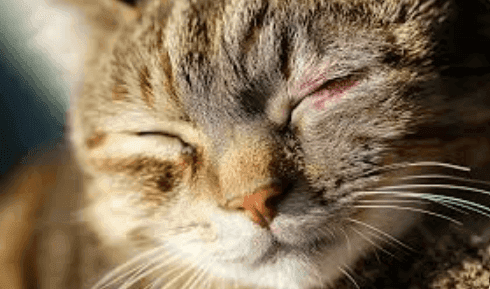
A cat eye infection is an irritation or inflammation caused by bacteria, viruses, allergens, or environmental irritants. These infections affect the conjunctiva, cornea, eyelids, or surrounding tissues.
Common Types
- Conjunctivitis: pink, swollen eyelids and discharge
- Corneal ulcers: painful scratches or sores on the cornea
- Bacterial infections: yellow or green discharge and swelling
- Viral infections (FHV-1): watery eyes, sneezing, or ulcers
- Allergic reactions: redness, itchiness, and watery discharge
Understanding the cause helps determine how safe or effective home care can be.
Why It’s Important To Treat Eye Infections Quickly
Cat eye infections may start mildly, but they can worsen within hours. Prompt care prevents:
- Corneal damage
- Permanent vision loss
- Spread of infection
- Chronic eye disease
- Severe pain and inflammation
Home remedies can soothe symptoms, but they cannot replace professional diagnosis when the infection is severe.
Safe Home Remedies for Cat Eye Infections
The following remedies are commonly approved by veterinarians for short-term relief while awaiting professional care. They help reduce irritation, flush debris, and soothe mild discomfort. They do not cure bacterial or viral infections but can support healing.
1. Warm Compress (Most Effective for Redness and Swelling)
A warm compress helps loosen crusts, reduce swelling, and soothe irritation.
How to Do It
- Dip a clean cotton pad in warm (not hot) water.
- Gently press it against the closed eye for 1-2 minutes.
- Repeat 2-3 times per day.
Why It Works
Warmth increases blood flow and helps clear blocked tear ducts, often seen in South Florida’s allergy-prone environment.
2. Sterile Saline Rinse
Saline safely removes dust, pollen, and mucus from the eye.
How to Do It
- Use store-bought sterile saline solution.
- Tilt your cat’s head slightly.
- Drip a few drops into the affected eye.
- Wipe excess with a clean pad.
When It Helps
- Mild discharge
- Dust or debris
- Allergy flare-ups
Avoid homemade saline mixtures unless instructed by a vet.
3. Cleaning Discharge With Veterinary-Approved Eye Wipes
Use unscented, alcohol-free, cat-safe wipes.
Benefits
- Prevents buildup
- Reduces irritation
- Keeps bacteria from spreading
4. Humidifier Therapy (Helpful for Viral Infections)
Dry indoor air, especially with AC use in South Florida, can worsen symptoms.
How It Helps
A humidifier keeps the environment moist, easing dryness and congestion often seen in cats with feline herpesvirus.
5. L-Lysine Supplementation (For Viral FHV-1 Cases)
If your cat has a history of feline herpesvirus, lysine may reduce flare-ups by supporting immune function.
Important
Use only veterinarian-recommended doses.
6. Isolating the Cat from Irritants
Move your cat away from:
- Perfumes
- Cleaning sprays
- Candle smoke
- Dusty areas
Environmental triggers are a common cause of eye discomfort in South Florida homes.
Home Remedies You Should NOT Use
Many online sources recommend unsafe treatments. Avoid the following:
- Apple cider vinegar
- Human eye drops
- Tea bags
- Coconut oil
- Hydrogen peroxide
- Salt-water made at home
- Antibiotic ointments meant for humans
- Any herbal mixture
These can damage the eye and worsen infections.
Step-by-Step Guide: Safe At-Home Relief
This routine is suitable for mild symptoms only.
Step 1: Inspect the Eye
Check for:
- Redness
- Cloudiness
- Crusts
- Excess discharge
If you see blood, swelling, or the eye can’t open, skip home care and call a vet.
Step 2: Clean the Area
Use warm water or cat-safe wipes to gently clean around the eye.
Step 3: Apply a Warm Compress
Hold it for 1-2 minutes.
Step 4: Rinse with Sterile Saline
Flush debris and soothe irritation.
Step 5: Monitor Symptoms
If the eye does not improve within 24 hours, seek professional care.
Key Causes of Cat Eye Infections (Based on SERP Analysis)
Most high-ranking pages discuss similar causes. The list below includes these plus additional factors often missed by competitors:
1. Bacterial infections
Common in humid regions like South Florida.
2. Viral infections (FHV-1)
Responsible for recurring symptoms.
3. Allergies
Dust, mold, grass, and pollen are major triggers.
4. Foreign bodies
Sand, dust, and small particles irritate the eye.
5. Injuries and scratches
Common in outdoor or multi-cat homes.
6. Parasites
Eye worms, flea dirt, and mites can irritate the eyes.
7. Tear duct blockage
Often overlooked but frequent in flat-faced breeds like Persians.
Common Mistakes to Avoid
Many cat owners accidentally make symptoms worse. Avoid:
- Rubbing your cat’s eye
- Using old cloths or towels
- Trying random home remedies from social media
- Delaying vet care beyond 24-48 hours
- Using leftover antibiotics
- Allowing other pets to share bedding
These habits can cause severe infections or permanent eye damage.
Examples of When Home Remedies Are Fine
Home remedies may help when:
- The discharge is clear and watery
- The cat is acting normal
- Symptoms start after grooming, dust, or wind exposure
- The cat has a known viral history, and flare-ups are mild
Examples of When You MUST See a Vet
Do not rely on home treatment if you notice:
- Yellow or green discharge
- Swollen eyelids
- The eye is kept shut
- Cloudy or bluish eye surface
- Visible scratches
- Any sign of pain
- Fever, lethargy, or sneezing
These require prescription medication.
Comparison Table: Home Remedies vs. Veterinary Treatment
| Situation | Home Remedy | Veterinary Treatment |
|---|---|---|
| Mild irritation | Warm compress, saline rinse | Not always required |
| Clear discharge | Safe to manage at home | Optional |
| Yellow/green discharge | Not effective | Needed (antibiotics) |
| Eye closed/swollen | Not recommended | Urgent |
| Viral flare-up | Humidifier, lysine | Antivirals if severe |
| Injury or scratch | Unsafe to treat at home | Emergency care |
| Persistent symptoms | Temporary relief only | Full diagnosis |
Tools and Supplies You Can Keep at Home
These items are safe and commonly recommended:
- Sterile saline solution
- Cat-safe eye wipes
- Clean cotton pads
- Warm-compress cloth
- Humidifier
- Veterinarian-approved lysine
- Soft towel for restraint
FAQs (Based on People Also Ask)
1. Can a cat eye infection go away on its own?
Mild irritation may improve, but true infections rarely heal without treatment. Untreated infections can worsen quickly.
2. How can I soothe my cat’s irritated eye?
A warm compress and sterile saline rinse are the safest options until you can speak to a vet.
3. What is the fastest way to treat a cat eye infection?
Veterinary medication is the fastest and most effective treatment. Home remedies can only offer temporary relief.
4. Why is my cat’s eye red and watery?
Common causes include allergies, viral infections, dust, or minor irritation.
5. Can I use human eye drops on my cat?
No. Many human drops can damage a cat’s eye or hide serious conditions.
6. How long does it take for a cat eye infection to heal?
With proper treatment, most infections improve within 48-72 hours.
7. Is it an emergency if my cat can’t open its eye?
Yes. This often indicates severe pain, injury, or infection.
Conclusion
Cat eye infections are common, especially in warm and humid regions like South Florida. While safe home remedies such as warm compresses and sterile saline can offer temporary relief, they are not a substitute for professional diagnosis and treatment. Early care helps prevent complications and protects your cat’s long-term vision.
When symptoms are severe, persistent, or include colored discharge, veterinary attention is essential. By combining gentle home care with timely professional support, you can help your cat recover comfortably and quickly.