Gingivitis in Cats: Causes, Symptoms, and Treatment
By Tommy VetPublished Updated 8 min read
Gingivitis in cats is one of the most common dental problems seen in veterinary clinics. Many cat owners notice bad breath or red gums but underestimate how quickly gum inflammation can turn into advanced dental disease. When gingivitis is left untreated, it can progress into painful periodontal disease, tooth loss, and even infections that affect organs like the kidneys and heart. The good news is that gingivitis is reversible when addressed early. This guide explains everything cat owners need to know, based on veterinary standards, clinical practice, and the most reliable information available.
This article provides a complete and beginner-friendly overview of gingivitis in cats, including causes, signs, treatment options, prevention, home care, examples, common mistakes, and practical tools that support long-term dental health. It is structured to answer common owner questions and give clear, actionable steps you can use immediately.
What Is Gingivitis in Cats?
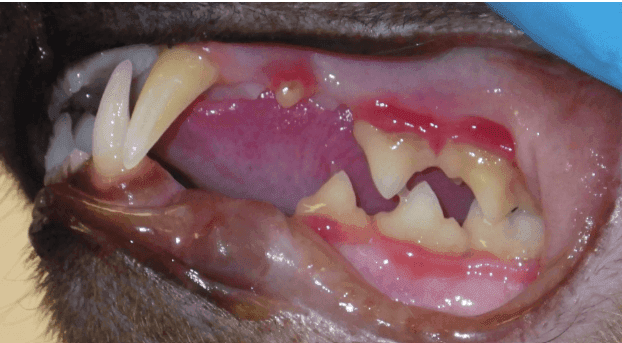
Gingivitis in cats is inflammation of the gums caused by plaque buildup, bacteria, and irritation along the gumline. The gums become red, swollen, painful, and sensitive. At this stage, the teeth themselves are still firmly attached, which makes gingivitis a reversible condition when treated early.
Gingivitis develops when plaque (a soft, sticky film of bacteria) accumulates on the teeth. If this plaque is not removed, it hardens into tartar, irritating the gum tissue and triggering inflammation.
Because gingivitis is primarily caused by plaque buildup, maintaining consistent oral hygiene is essential. In addition to brushing, many cat owners use dental care products like water additives or oral health supplements to help reduce bacteria and support gum health between cleanings.
Why Understanding Gingivitis Matters
Early gingivitis is entirely treatable, but delaying care allows bacteria to move deeper into the gums, weakening the tissues that hold the teeth in place. This leads to periodontal disease, which requires far more intensive treatment and can permanently damage a cat’s mouth and overall health.
Benefits of early treatment include:
- Preventing irreversible dental disease
- Reducing pain and discomfort
- Improving appetite and energy
- Protecting internal organs from bacterial spread
- Lowering long-term veterinary costs
- Supporting a longer, healthier life for your cat
Causes of Gingivitis in Cats
Plaque and Tartar Buildup
This is the most common cause. Plaque forms daily on the teeth and hardens into tartar if not removed. Tartar irritates the gumline and traps harmful bacteria.
Bacterial Overgrowth
Certain oral bacteria trigger inflammation more aggressively. Poor dental hygiene allows bacterial populations to multiply.
Genetics and Breed Predispositions
Some cats, especially certain purebred breeds, are more prone to dental disease. Breeds commonly affected include:
- Siamese
- Persian
- Maine Coon
- Abyssinian
Immune System Disorders
Cats with weakened immunity develop gingivitis more easily. Conditions linked to dental inflammation include:
- Feline Immunodeficiency Virus (FIV)
- Feline Leukemia Virus (FeLV)
- Allergic conditions
- Chronic inflammatory diseases
Underlying Health Problems
Diseases affecting the immune system or oral tissues increase the risk:
- Kidney disease
- Diabetes
- Autoimmune disorders
Diet and Feeding Habits
Factors that contribute to gingivitis include:
- Sticky or soft food that clings to teeth
- Lack of dental chew treats
- Irregular eating patterns that allow plaque to sit longer on the teeth
Since plaque accumulation is the main trigger for gingivitis, prevention should focus on reducing bacteria in your cat’s mouth. This is why many vets recommend combining brushing with supportive dental products such as enzymatic formulas or plaque control supplements.
Symptoms of Gingivitis in Cats
Early Symptoms
- Mild gum redness
- Bad breath
- Slight drooling
- Yellowish plaque along the gumline
Moderate Symptoms
- Visible gum swelling
- Dark red gum edges
- Pain while eating
- Dropping food while chewing
- Preferring soft food
- Pawing at the mouth
Severe Symptoms
- Bleeding gums
- Refusal to eat hard food
- Weight loss
- Mouth sensitivity when touched
- Hiding or avoiding interaction
Behavioral Signs
Pain changes behavior more than most owners realize. A cat with gingivitis may:
- Groom less often
- Sleep more
- Become irritable
- Avoid being picked up
- Growl when eating
How Vets Diagnose Gingivitis in Cats
Oral Exam
A veterinarian examines the teeth, gums, and tongue to detect inflammation, plaque, tartar, or ulcers.
Dental X-rays
X-rays reveal hidden issues below the gumline, such as bone loss, infected roots, and early periodontal disease. Many serious dental problems are invisible without imaging.
Bloodwork
This checks for conditions like kidney disease, diabetes, or viral infections that may worsen gingivitis.
Differentiating Gingivitis From Other Oral Diseases
Some conditions appear similar but require different treatments.
Comparison Table
| Condition | What It Affects | Pain Level | Reversibility | Common Signs |
|---|---|---|---|---|
| Gingivitis | Gum tissue only | Mild - moderate | Fully reversible | Red gums, bad breath |
| Stomatitis | Entire mouth lining | Severe | Often chronic | Ulcers, intense pain |
| Periodontal Disease | Bone and tooth support | Moderate - severe | Irreversible | Loose teeth, infection |
Treatment for Gingivitis in Cats
Professional Dental Cleaning
A veterinary dental cleaning under anesthesia removes plaque and tartar both above and below the gumline. This is the most effective treatment for gingivitis.
After treatment, long-term management is key to preventing recurrence. This often includes regular brushing, routine vet checkups, and sometimes the use of at-home dental care products like water additives, dental gels, or supplements to control plaque and bacteria.
Scaling and Polishing
After tartar removal, the teeth are polished to slow future plaque buildup.
Medications
Depending on severity:
- Antibiotics (for bacterial infections)
- Anti-inflammatory medications
- Pain relievers
Tooth Extraction
Only required in cases where gums and supporting structures are severely damaged.
Follow-Up Care
Most cats benefit from follow-up cleaning every 6-18 months depending on their dental health.
Home Care for Cats With Gingivitis
Step-by-Step: How to Brush Your Cat’s Teeth
Regular tooth brushing is the most effective at-home prevention method.
- Choose a cat-safe toothbrush or finger brush.
- Use only feline toothpaste.
- Start slowly: allow your cat to lick the toothpaste first.
- Gently lift the lip and brush small circles on the outer surfaces.
- Focus on the gumline where plaque forms.
- Brush daily if possible; even 3-4 times a week is helpful.
Dental Gels and Sprays
These reduce plaque when brushing is difficult. Look for products formulated specifically for cats.
Diet for Cats With Gingivitis
Cats experiencing gum pain often prefer:
- Soft, high-moisture foods
- Prescription dental diets (help reduce plaque)
- Crunchy dental treats with VOHC approval
In addition to diet, some pet owners include dental treats or oral health supplements as part of their cat’s routine. These can help reduce plaque buildup and support gum health, especially for cats that resist tooth brushing.
Multi-Cat Home Hygiene
- Provide separate food bowls
- Clean dishes daily
- Avoid sharing of toys that stay moist or sticky
- Monitor each cat individually for symptoms
How Long Does Gingivitis Take to Heal?
Healing time varies depending on severity.
- Mild gingivitis: 1-2 weeks after dental cleaning and home care
- Moderate gingivitis: 3-4 weeks
- Severe cases: Several months, especially if underlying disease is present
Without treatment, gingivitis progresses into periodontal disease, which cannot be reversed.
Costs: What Cat Owners Can Expect
| Service | Estimated Cost (varies by region) |
|---|---|
| Vet consultation | Low - moderate |
| Dental cleaning under anesthesia | Moderate - high |
| Dental X-rays | Moderate |
| Extractions | High |
| Medications | Low - moderate |
| Follow-up visits | Low |
Investing in dental care early reduces lifelong medical expenses.
Prevention: How to Keep Your Cat’s Gums Healthy
Preventing gingivitis requires consistent plaque control. While daily brushing is the most effective method, not all cats tolerate it well. In these cases, many owners turn to cat dental care products such as water additives, dental chews, or oral health supplements to help reduce bacteria and maintain gum health between brushings.
Daily Routine
- Brush teeth
- Provide fresh water
- Offer dental-safe treats
Weekly Routine
- Inspect gums for redness
- Check breath odor
- Wipe teeth with dental wipes
Monthly Routine
- Evaluate eating behavior
- Replace worn-out chew toys
- Monitor plaque buildup
Tools That Help
- Cat toothbrush and toothpaste
- Dental wipes
- VOHC-approved treats
- Dental diets
- Water additives designed for oral health
Case Example: Luna’s Recovery Story
Luna, a 4-year-old indoor cat, began dropping kibble from her mouth and developed noticeable bad breath. Her owner assumed it was normal aging, but during a routine exam, the vet diagnosed moderate gingivitis.
Treatment plan:
- Full dental cleaning
- Scaling and polishing
- 10-day course of anti-inflammatory medication
- Introduction of tooth brushing
- Switch to a partial dental diet
Outcome:
Within two weeks, Luna’s appetite improved. By week four, her gums returned to a healthy pink color. Her owner continued brushing three times weekly, which helped prevent recurrence.
This example illustrates how early treatment leads to a fast, uncomplicated recovery.
Common Mistakes Cat Owners Make
- Ignoring early signs of gum redness
- Assuming bad breath is normal
- Using human toothpaste (dangerous for cats)
- Delaying dental cleanings to avoid anesthesia
- Believing indoor cats don’t need dental care
- Only feeding soft food
- Attempting home remedies without veterinary guidance
Tools and Resources That Support Dental Health
- Veterinarian-recommended toothbrush kits
- Dental diets designed to reduce plaque
- Veterinary oral health council (VOHC) approved treats
- Water additives that fight bacteria
- Dental gels that help minimize inflammation
- Annual wellness exams for early detection
FAQ Section
What is the first sign of gingivitis in cats?
Red or swollen gums along the teeth are often the earliest signs.
Can gingivitis in cats go away on its own?
No. It requires dental cleaning and proper home care to fully resolve.
Is gingivitis painful for cats?
Yes. Even mild gum inflammation causes discomfort during chewing and grooming.
How can I treat my cat’s gingivitis at home?
Home care supports recovery but cannot replace professional cleaning.
What should cats with gingivitis eat?
Soft foods or dental diets work well, depending on the cat’s comfort level.
What happens if gingivitis is left untreated?
It becomes periodontal disease, leading to tooth loss and infection.
Are some breeds more prone to dental disease?
Yes. Siamese, Persians, and some long-haired breeds are genetically predisposed.
How often should a cat get a dental cleaning?
Every 6-18 months depending on their dental condition and risk factors.
Conclusion
Gingivitis in cats is common, painful, and completely treatable when addressed early. Understanding the warning signs, causes, and available treatments helps cat owners protect their pets from long-term oral health problems. With the right combination of professional care and at-home dental routines, cats can maintain healthy gums, strong teeth, and a better quality of life. Regular monitoring, early intervention, and consistent hygiene are the keys to preventing recurring problems and keeping your cat comfortable and healthy for years to come.
You may like to know: